This post contains affiliate links. We may earn a small commission at no extra cost to you. Learn more
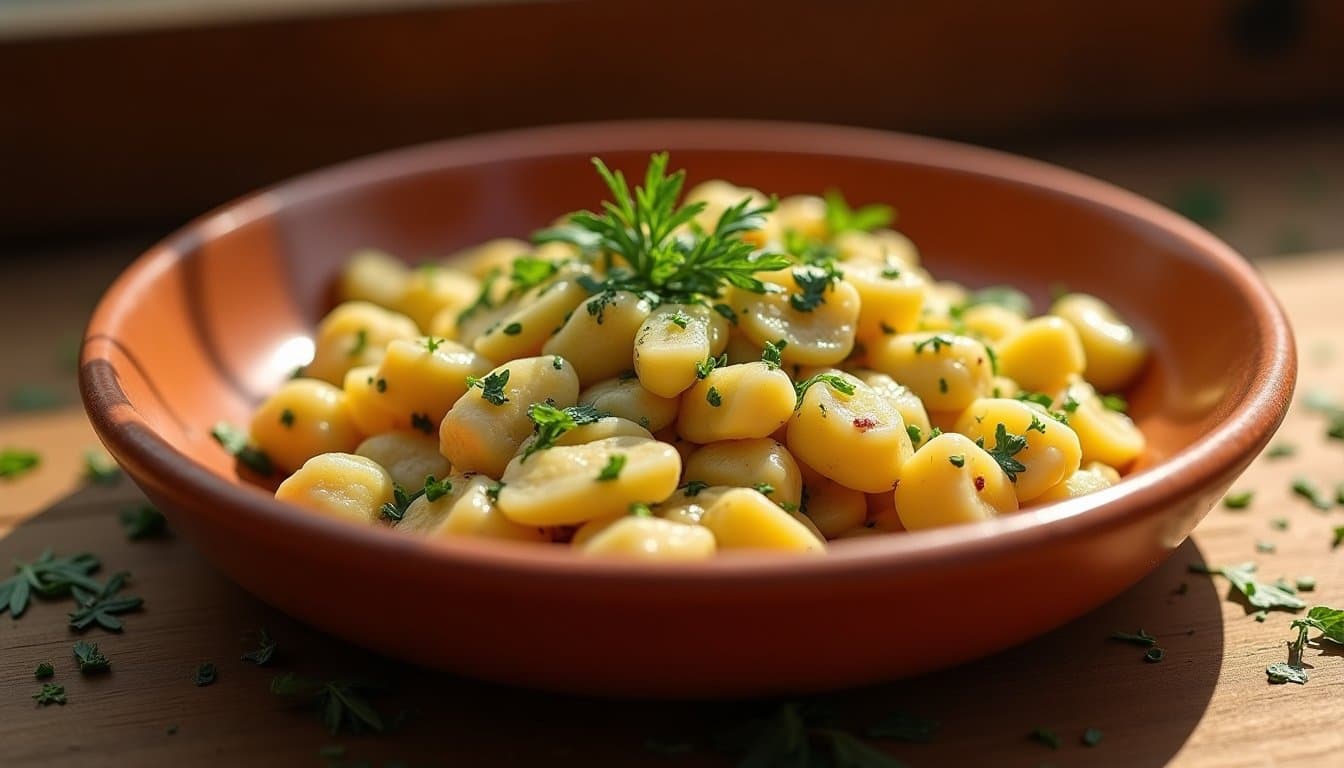
Wild Garlic Fatteh with Spring Peas and Pomegranate Molasses
- Cook
- 30m
- Total
- 55m
- Difficulty
- Medium
- Serves
- 4
- Origin
- Lebanese
Classic Lebanese fatteh gets a springtime overhaul: wild garlic replaces the usual tahini base, sweet fresh peas crash the party, and a pomegranate molasses drizzle cuts through everything with bracingly tart depth. The wild garlic's sulfur compounds mellow as they hit the warm chickpea broth, losing their raw bite while keeping that forest-floor pungency that makes this version genuinely different from anything you'd order at a restaurant.
Ingredients
- 4 large pita breads, torn into rough 4cm pieces
- 3 tablespoons olive oil, divided
- 2 x 400g cans chickpeas, drained and liquid reserved
- 600ml vegetable stock
- 1 teaspoon ground cumin
- 1 teaspoon ground coriander
- 0.5 teaspoon smoked paprika
- 80g wild garlic leaves, roughly chopped, plus a few whole leaves to finish
- 200g fresh or frozen peas, blanched
- 3 tablespoons pomegranate molasses, plus extra to drizzle
- 2 tablespoons lemon juice
- 1 tablespoon apple cider vinegar
- 3 cloves regular garlic, minced
- 1 teaspoon fine sea salt, plus more to taste
- 0.5 teaspoon black pepper
- 60g toasted pine nuts
- Seeds of 1 pomegranate
- Small bunch flat-leaf parsley, leaves picked
- 0.5 teaspoon dried chilli flakes, to finish
Instructions
Preheat your oven to 200°C (180°C fan). Toss the torn pita pieces with 2 tablespoons of olive oil and a good pinch of salt. Spread them on a large baking tray in a single layer and bake for 10 to 12 minutes, turning once, until deep golden and very crisp. Set aside. They'll soften when assembled, so you want them almost aggressively crunchy at this stage.
While the pita bakes, heat the remaining tablespoon of olive oil in a wide saucepan over medium heat. Add the minced garlic and cook for 90 seconds until fragrant but not brown. Add the cumin, coriander, and smoked paprika, stir for 30 seconds, then tip in the drained chickpeas.
Pour in the vegetable stock and 100ml of the reserved chickpea liquid. Bring to a gentle simmer and cook for 8 minutes so the chickpeas absorb some of the spiced broth. Season with salt and pepper.
Make the wild garlic sauce. Blend the chopped wild garlic leaves, pomegranate molasses, lemon juice, apple cider vinegar, and a pinch of salt in a small blender or with a stick blender until you have a rough, deeply green sauce. It won't be perfectly smooth and that's fine. Taste it: it should be sharp, garlicky, and a little sweet.
Add the blanched peas to the chickpea pan for the final 2 minutes of simmering, just to warm them through. You want them to stay bright and slightly firm.
To assemble, spread the toasted pita chips across a large, wide serving platter or shallow bowl. Ladle the hot chickpea and pea mixture over the top, making sure you get plenty of broth soaking into the bread.
Spoon the wild garlic sauce generously over the chickpeas in uneven dollops. Drizzle with an extra tablespoon of pomegranate molasses straight from the bottle.
Finish with the toasted pine nuts, pomegranate seeds, fresh parsley leaves, a few reserved whole wild garlic leaves, and a scatter of chilli flakes. Serve immediately while the pita still has some texture.
Why It Actually Works
Wild garlic contains allicin and related thiosulfinate compounds that break down when blended with an acid like lemon juice and apple cider vinegar, producing a more complex, rounded flavor than raw garlic while still keeping that distinctive pungency. The pomegranate molasses brings a concentrated tartness from malic and citric acids that mirrors the traditional yogurt tang in dairy fatteh, so you get the same acid counterpoint to the rich chickpeas without any dairy. Peas add sucrose sweetness that softens the molasses's sharpness, and their starch slightly thickens the broth where it soaks into the bread, holding the whole assembly together rather than turning it into soup.
Variations
- Swap the wild garlic sauce for a blended mix of ramp leaves and preserved lemon if wild garlic is out of season, which gives a similar sulfurous depth with added brine.
- Add a layer of crispy spiced lamb mince between the pita and chickpeas for a more traditional meat-based fatteh that still carries the wild garlic and pomegranate through.
- For a smokier profile, char the wild garlic leaves directly over a gas flame for 20 seconds before blending, which drives off some of the raw sharpness and adds a faint bitterness that plays well against the sweet peas.
Be the first to rate this recipe
Reader Tips
No tips yet — be the first!
More Strange Recipes
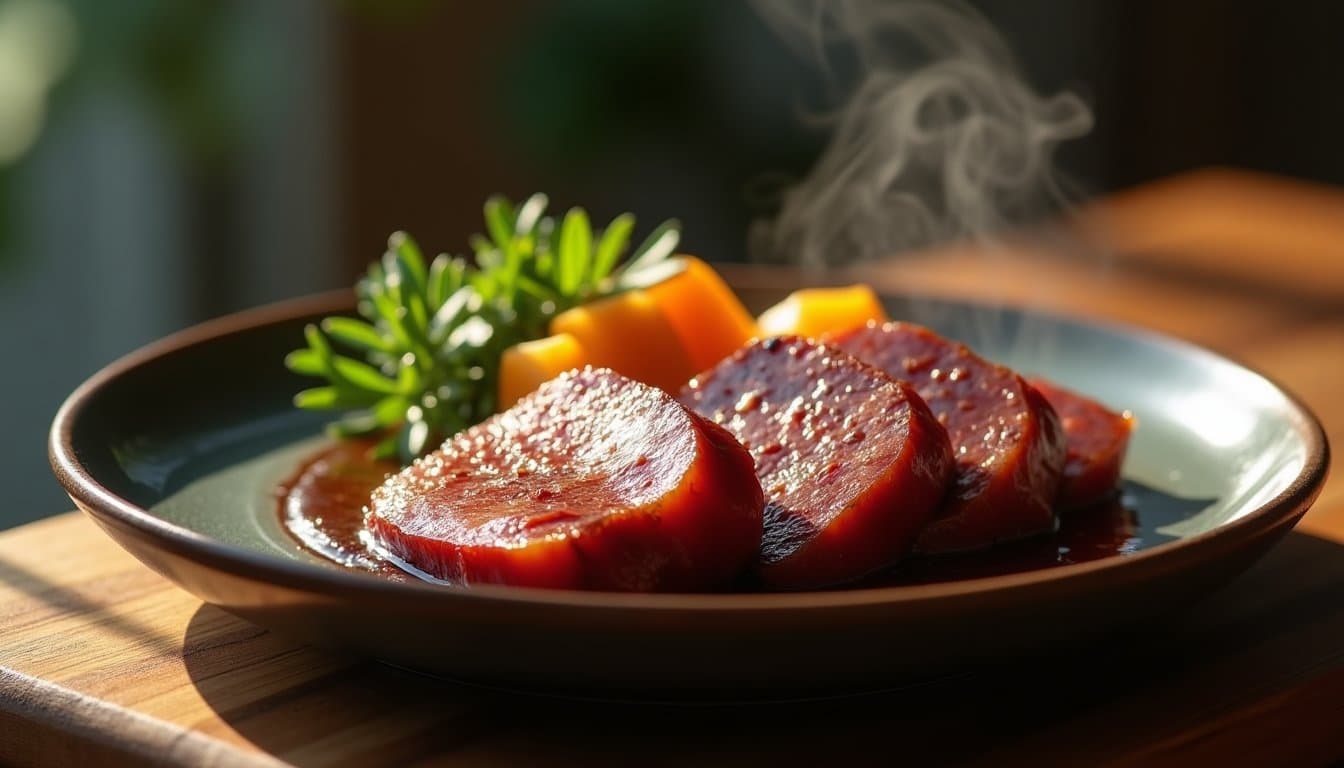
Cold-Smoked Duck Breast with Rhubarb-Ramp Gastrique and Spring Pea Purée
Duck breast gets cold-smoked over juniper and birch, seared to a lacquered crisp, then laid over sweet spring pea purée with a glossy rhubarb-ramp gastrique that is equal parts savage and elegant. Rhubarb's oxalic tartness cuts clean through the duck's subcutaneous fat, while wild ramps bring a sulfurous, garlicky funk that somehow tastes like the forest floor decided to dress for dinner. Nordic spring on a plate: fleeting, feral, and worth every step.
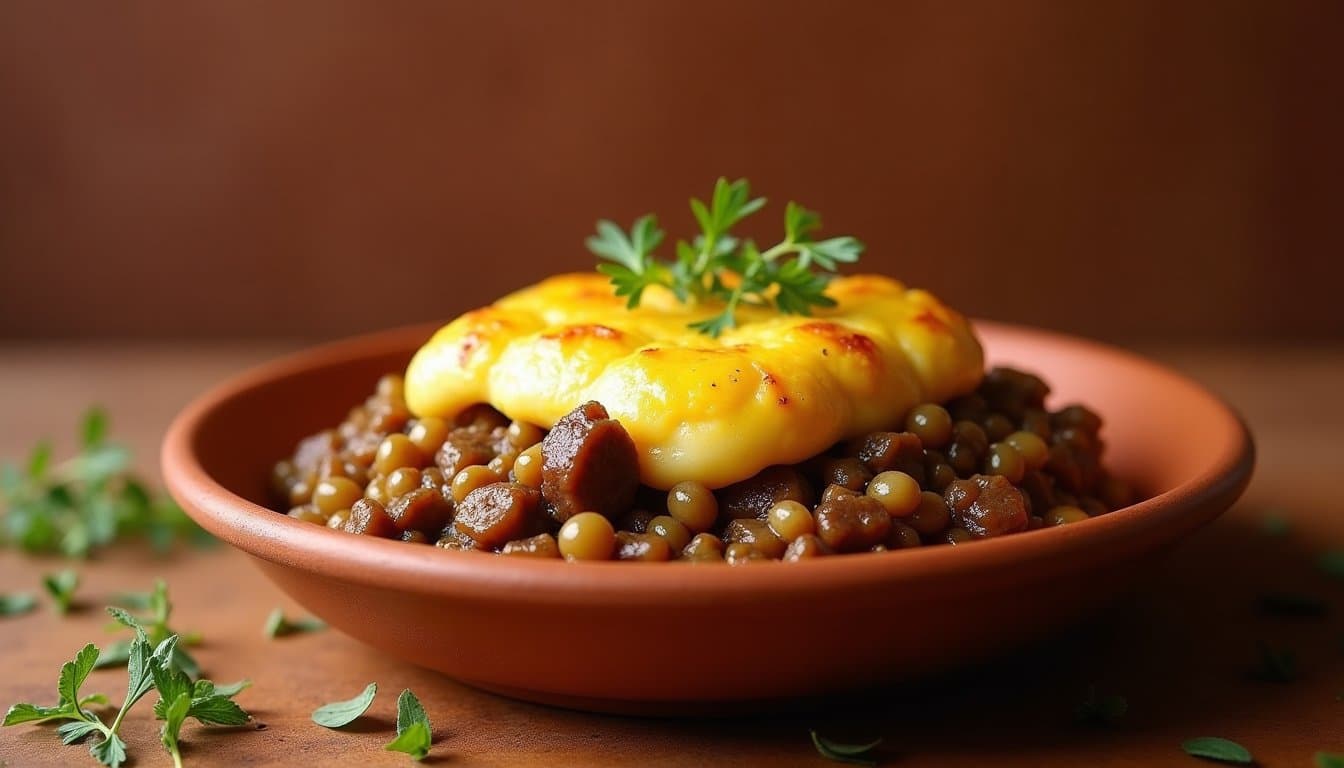
Wild Garlic Lamb Keema Shepherd's Pie with Ramp Mash and Pickled Pea Topping
A British pub kitchen meets a Mumbai dhaba, and neither one blinks. Spiced lamb keema loaded with wild garlic replaces the usual mince filling, a ramp-infused mash crowns the top, and bright pickled peas cut through the richness like a vinegar slap. Comfort food with a passport and a mild identity crisis — exactly how we like it.
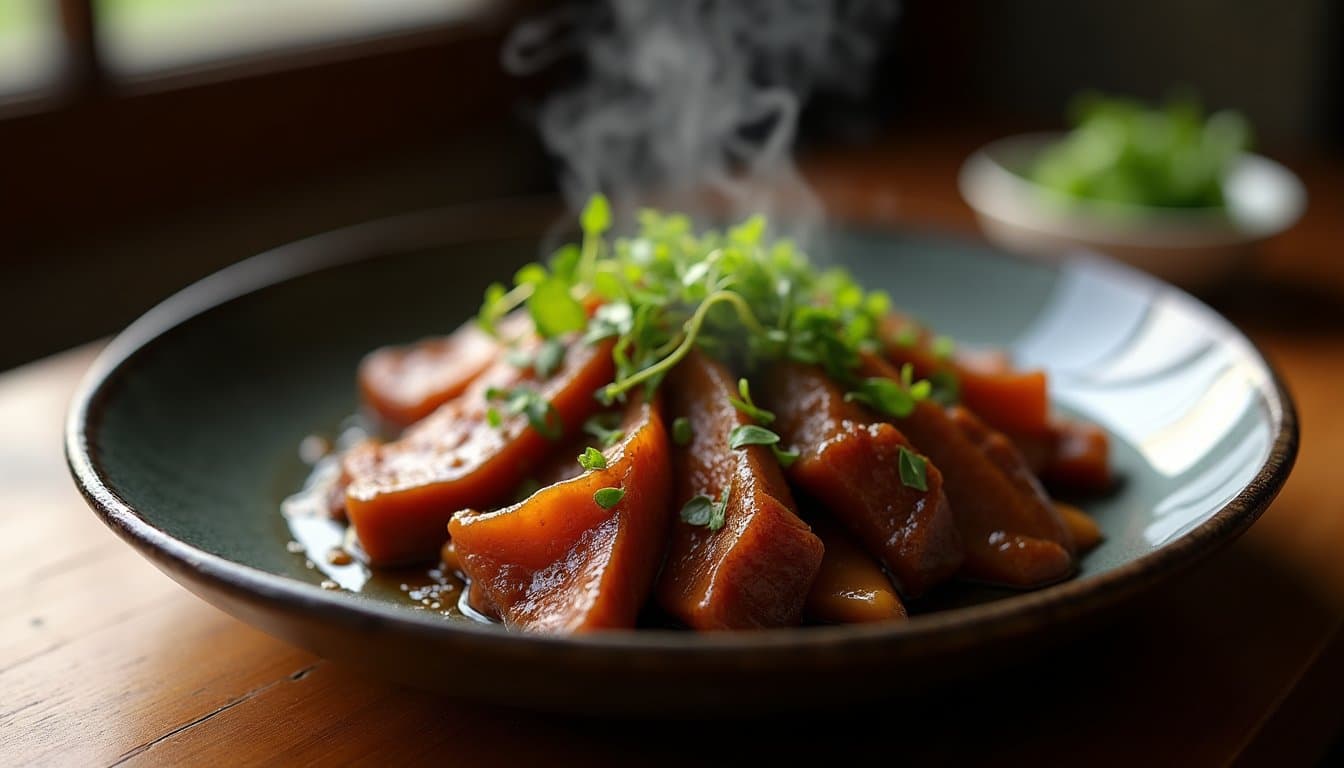
Kombu-Braised Korean Short Ribs with Watercress Gremolata and Black Sesame
Flanken-cut short ribs braised in kelp-and-doenjang broth until the collagen gives up completely, then buried under a raw watercress gremolata spiked with toasted black sesame and yuzu zest. The ocean-floor depth of kombu does something almost unsettling to the beef's natural glutamates. The bitter, peppery watercress is what keeps the whole thing from becoming too much of a good thing.
Get the weird stuff first.
New recipes every week. No fluff, no ads, just strange food.
You can unsubscribe anytime. No spam, ever.